Tree felling – rules, risks and costs
A large tree close to the house requires the right equipment and experience. Here is what you need to check before the tree is felled and how the RUT deduction works.
By the Fixtorget editorial team · Updated 5 November 2026 · 2 min read
Do you need permission?
Within an area covered by a local development plan, a permit may be required to fell trees, and some trees are protected. Check with your municipality first – especially for large, old trees and avenues.
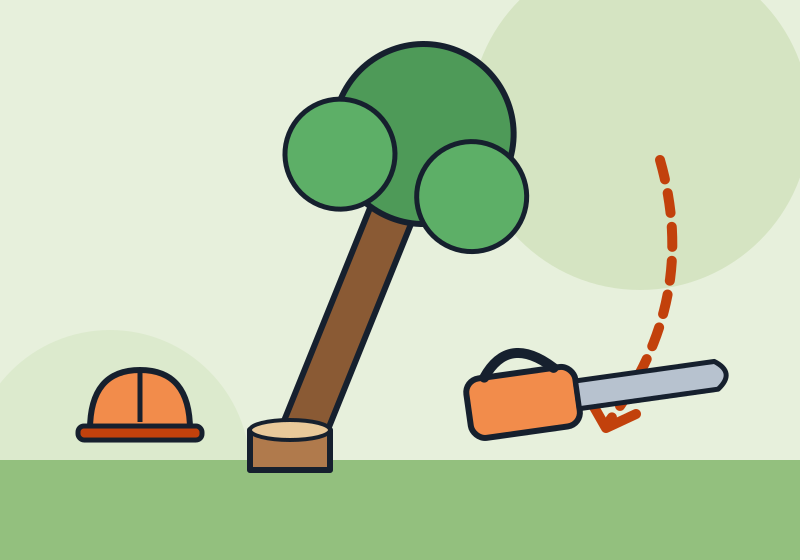
Sectional felling near houses
When a tree stands close to a house, power lines or a fence, it is felled in sections using climbing equipment or an aerial lift. This requires trained staff and liability insurance.
What is included?
- Felling and cutting into manageable lengths.
- Removal of branches and the trunk – or keeping the wood if you prefer.
- Stump grinding, which often costs extra.
RUT deduction
Tree felling and pruning on your property qualify for the RUT deduction on the labour cost. Removal and stump grinding may be assessed differently – ask the company how they will be itemised on the invoice.
Frequently asked questions
Can I cut down my neighbour's tree if it overhangs my property?
You can normally remove branches and roots that encroach on your property if they cause a nuisance, but always talk to your neighbour first.
This information is general and may change. Always check the current rules with the relevant authority, for example Skatteverket, Elsäkerhetsverket or Transportstyrelsen.
Get quotes from companies near you
Describe the job in a few minutes – free and with no obligation.
Post a job