Electrical faults at home: finding the fault and when to call an electrician
The RCD trips, a fuse keeps blowing or a socket stops working. Here is what you can safely check yourself, when to stop and call an electrician, and what affects the cost of fault-finding.
By the Fixtorget editorial team · Updated 8 November 2026 · 3 min read
Common electrical faults at home
Most electrical faults show up in one of a few ways:
- The RCD trips, immediately or when it rains or when a particular appliance starts.
- A fuse blows when several appliances are used at the same time.
- A socket or light does not work even though the fuse is intact.
- Lights flicker, or there is crackling, a burning smell or heat at sockets and switches.
- Half the house loses power, which may indicate a lost phase or a fault in the main fuse.
What you can check yourself
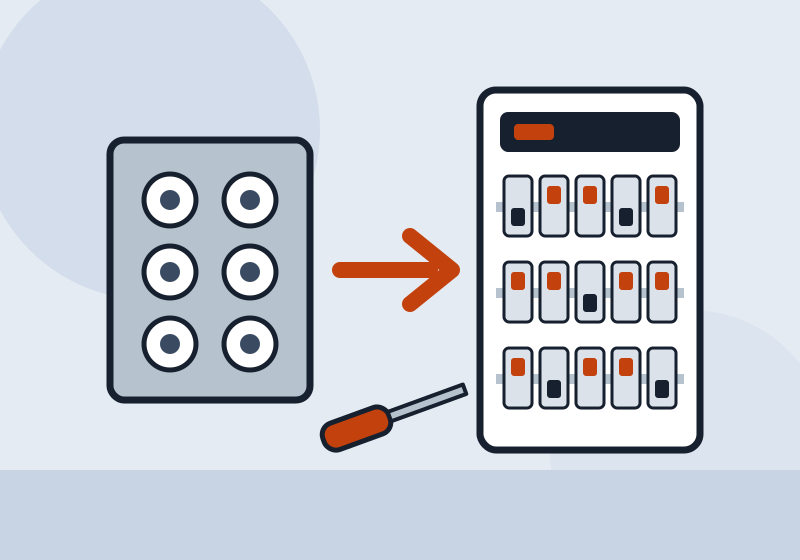
You may reset a breaker or RCD and replace screw-in fuses, but you should not open boxes, sockets or the consumer unit. Safe steps to start with:
- Switch off or unplug all appliances on the affected circuit.
- Reset the RCD or breaker.
- Plug the appliances back in one at a time. If it trips with a particular appliance, that is probably the culprit.
- Check outdoor sockets and outdoor lighting after rain, as moisture is a common cause.
- Check whether the neighbours also have problems. If so, the fault may lie with the network operator.
If the fault persists with no appliance connected, or if there is a burning smell, something is hot or there are visible scorch marks, do not reset it again and contact an electrician.
When is it an emergency?
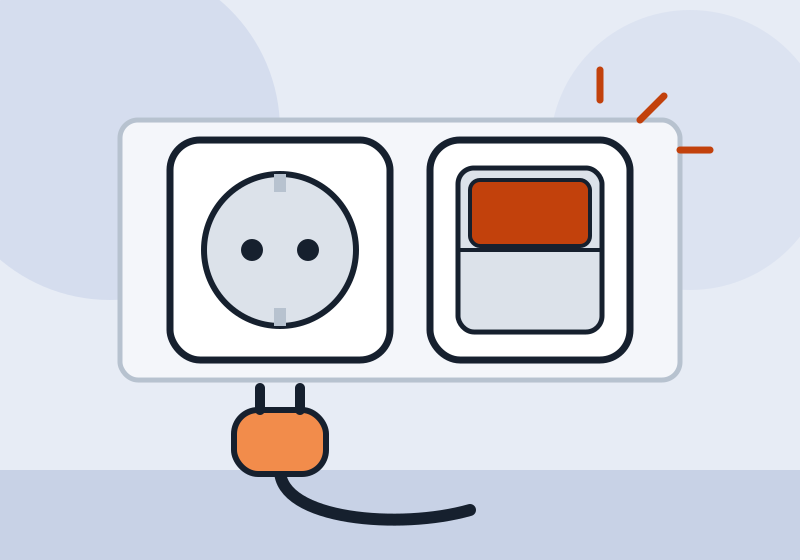
A burning smell, smoke, sparks, hot sockets or switches and repeated tripping that cannot be explained must be taken very seriously. Cut the power to that circuit or the whole house if you can do so safely, and contact an electrician. In case of fire or smoke, call 112.
What does the electrician do?
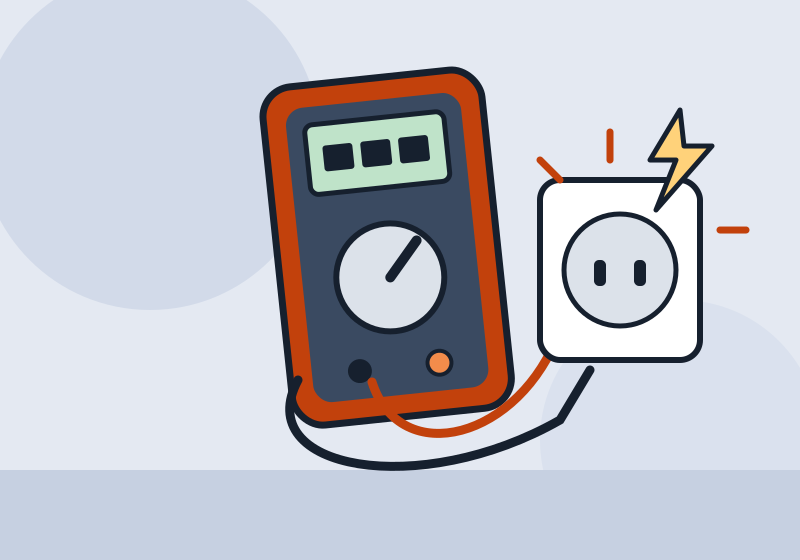
The electrician measures insulation resistance, checks connections in the consumer unit and in boxes, and traces the fault to the right circuit, cable or appliance. Common causes are moisture in outdoor installations, loose connections, cables damaged by drilling and ageing equipment.
Sometimes the fault can be fixed straight away; sometimes a new visit or a larger measure is required, such as replacing a cable or adding to the consumer unit.
What affects the cost?
Fault-finding is usually charged by the hour, often with a call-out charge. Emergency call-outs in the evenings and at weekends normally cost more. What affects the cost most is how hard the fault is to find, how accessible the installation is and what materials are needed to fix it.
According to Skatteverket, fault-finding alone does not qualify for the ROT deduction. The repair or installation carried out afterwards can, however, qualify for a ROT deduction of 30 % of the labour cost, within the ceiling of SEK 75,000 per person per year for ROT and RUT combined, of which no more than SEK 50,000 may be ROT. Ask the company to separate fault-finding and repair on the invoice.
What to agree before the work starts
- Hourly rate, call-out charge and any emergency surcharge.
- Whether the electrician should check with you before the work exceeds a certain amount.
- How fault-finding and repair are shown on the invoice.
- What materials may be needed and what they cost.
- That the company is registered with Elsäkerhetsverket.
Agreeing a cost limit like this protects you if the fault turns out to be harder than expected. The Consumer Services Act (Konsumenttjänstlagen) also gives you the right to be told if the price risks becoming significantly higher than estimated.
Common mistakes
The most common mistake is resetting an RCD over and over without looking for the cause. Another is switching to a larger fuse so that it will not blow, which can lead to overheated cables and fire. Also avoid using damaged leads and multi-plug adapters as a temporary solution.
Getting help via Fixtorget
Describe the fault as carefully as you can: what happens, when it started, which circuits are affected and whether there are photos of the consumer unit. The better the description, the easier it is for the companies to assess the job. You can then compare the companies' profiles, verification and insurance before you choose.
Frequently asked questions
Why does the RCD trip?
It trips when current leaks to earth, usually because of a faulty appliance, moisture in outdoor installations or a damaged cable. Unplug appliances and test them one at a time to find the cause.
Can I switch to a larger fuse?
No, the fuse is sized for the cable. A larger fuse can allow the cable to overheat before the fuse blows.
Does fault-finding qualify for ROT?
Fault-finding alone does not qualify for the ROT deduction according to Skatteverket, but the repair that follows can.
This information is general and may change. Always check the current rules with the relevant authority, for example Skatteverket, Elsäkerhetsverket or Transportstyrelsen.
Get quotes from companies near you
Describe the job in a few minutes – free and with no obligation.
Post a job